AquaTru Under Sink Reviews: See Why 0 Shoppers Rated It 0 Stars!
Wondering if the AquaTru Under Sink water filtration system lives up to the hype? We gathered honest feedback, highlights, and gripes from 0 users of these AquaTru Water water filtration systems — here’s what to know.
 Supermod
  Moderator
 Recaptor
 AquaTru Under Sink Review: Compact RO Performance Without the Fuss
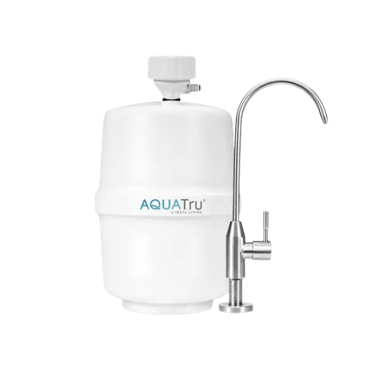
The AquaTru Under Sink is a reverse osmosis system aimed at households that want cleaner, better-tasting water without dedicating a huge chunk of cabinet space to a bulky filtration rig. On paper, it promises a thoughtful blend of capacity, substantial contaminant reduction, and straightforward maintenance. It's also pitched as a compact, easy-to-install solution that can work for both residential and light commercial needs. In this review of the AquaTru Under Sink, we'll walk through what the specifications suggest about real-world performance, where the system shines, and the trade-offs to keep in mind before you buy.
Detailed Specs & Features
At the heart of this system is a classic reverse osmosis layout; AquaTru uses a multi-stage approach anchored by an RO membrane. The unit is explicitly designed as a Reverse Osmosis setup, which remains the gold standard for broad contaminant reduction, including heavy metals, PFAS, and microplastics. The AquaTru Under Sink runs a 4-stage process: sediment, carbon, RO membrane, and a remineralization/post-filter stage. That last touch is essential; RO water can taste flat, so remineralization helps keep it crisp.
Capacity-wise, the system is rated for 54 gallons per day, which lines up nicely with small to mid-size households. There's also a pressurized storage component: the spec sheet lists a 1.85-gallon holding tank, giving you ready-to-dispense filtered water without waiting for the membrane to catch up each time you fill a bottle or pot.
On the filtration media itself, the RO membrane is rated at 54 gpd, paired with a 5-micron pre-filter, see the Sediment Filter Micron Rating and carbon block elements. This combination is engineered to handle sediment, chlorine, taste and odor, volatile organics, and a roster of heavy metals. AquaTru calls out reductions for lead, arsenic, chromium, mercury, PFOS/PFOA, pharmaceuticals, microplastics, and more; ambitious on paper, but consistent with what a well-tuned RO stack can achieve.
Efficiency matters with RO. Here, the AquaTru Under Sink lists a 25% recovery, mirrored by a 25% water efficiency claim and a typical wastewater output figure of 3 liters (contextually, that aligns with the concentrate waste that's part of the RO process). It won't beat premium pump-assisted or tankless systems that push recovery rates higher, but for a non-powered unit, it's within expectations. The operating window is also clear: minimum operating pressure starts at 40 psi and tops out at 85 psi, which covers most municipal supplies.
Certifications are another strong point: AquaTru lists a suite including NSF/ANSI 42, 53, 58, 401, and P473. That's a meaningful checklist for shoppers who prioritize validated performance claims for chlorine taste/odor, health-related contaminants, RO system construction, emerging contaminants, and PFAS reduction. Additionally, the brand indicates BPA-free materials and food-grade compliance in the materials section, aligning with consumer safety expectations.
Maintenance is a recurring theme for under-sink systems, and AquaTru tries to keep it simple with a filter life indicator and user-friendly replacement design. The stated maintenance frequency is 24 months, with a 24-month filter replacement interval noted; longer than many competitors, though the actual cadence will depend on your water quality and usage. Warranty support is straightforward as well, with a 1-year parts warranty and a matching 1-year labor warranty.
All of this comes in a compact footprint. The housing measures 4 inches wide, 11.5 inches deep, and 13 inches high, with a slim dedicated faucet (12-inch height, 5-inch reach). In day-to-day terms, that means less cabinet re-arranging and more storage left for cleaning supplies or cookware; a detail you'll appreciate every time you open the door.
Design & Build
The specifications suggest a system designed to stay out of your way. The vertical orientation requirement keeps the internal layout consistent and predictable, which can help with long-term sealing and flow stability. Materials include Tritan plastic for the main housing, stainless steel for the faucet, and PE tubing at the standard 1/4-inch size for easy accessory compatibility. The inclusion of O-ring seals and an 85-psi housing rating is reassuring; it indicates the unit is engineered for typical municipal pressure swings. On the flip side, there's no built-in leak detection, so adding a third-party leak sensor under the sink is a smart, inexpensive upgrade.
Performance
Based on the specs, performance should be well-rounded for a household of four to five people. The 1.85-gallon pressurized tank helps smooth out peak demand, say, filling a kettle while someone else rinses produce, though the system doesn't support simultaneous usage in the sense of two separate faucets at once. The 54 gpd rating isn't record-breaking, but combined with the tank, it should feel responsive for the typical family routine. The contaminant list is extensive, and the addition of remineralization suggests the final water won't taste "flat," which is a common complaint with RO. If your source water is below the 40 psi minimum, consider a separate booster pump; the system itself doesn't include one.
Extra Features
There's no app or brilliant faucet here, and frankly, that's fine. The analog filter life indicator and simple, quick-connect fittings keep maintenance approachable. Pre-flush is required at install, which is normal for clearing manufacturing residues and priming the carbon and membrane. The system includes a DIY-friendly kit but still "recommends" professional installation; a fair nod to users who would rather avoid drilling a faucet hole or tying into the drain with a saddle. Start-up is rated at 120 seconds; nothing dramatic, just enough time for the tank to begin to charge and lines to purge.
Pros & Cons
Pros
- Comprehensive multi-stage RO with remineralization for balanced taste.
- Strong certification lineup (NSF/ANSI 42/53/58/401/P473) for validated performance claims.
- Compact footprint and tidy under-sink integration with a dedicated faucet.
- DIY-friendly installation kit and quick-connect fittings.
- Filter life indicator and long stated maintenance interval.
Cons
- 25% recovery is decent but not class-leading; expect some wastewater typical of RO.
- Requires at least 40 psi; homes with low pressure may need a separate booster pump.
- No integrated leak detection or smart app features.
Price & Value for Money
As listed, the AquaTru Under Sink is available for $375 at AquaTruWater.com. In the world of under-sink RO systems, it lands in the "attainable mid-range" zone. You're not paying tankless-system money, but you're getting a certified, multi-stage rig with a pressure tank and remineralization. That being said, value isn't just about the sticker price; it's also about running costs and the time you'll spend swapping filters. With a stated 24-month interval and medium replacement filter cost indicator, ongoing expenses should be moderate. If you prioritize tested contaminant reduction and a small footprint over cutting-edge innovative features or ultra-high recovery efficiency, the math looks favorable.
Who is this system for? Households that want robust contaminant reduction from an RO membrane prefer a traditional tanked design for steady flow and appreciate the reassurance of broad certifications. Who might skip it? If your water pressure is consistently low, or if you're chasing the very highest recovery ratios with electric pump assistance, a different design could make more sense.
Quick Take
The AquaTru Under Sink reads like a thoughtfully balanced RO system: compact, certified, and practical. It won't set efficiency records, but the combination of a 1.85-gallon tank, remineralization, and straightforward maintenance hits the sweet spot for families who want reliable, great-tasting water.
If you can live without app integration and you're okay with standard RO wastewater trade-offs, this looks like a substantial value at its asking price.
Closing Recommendation
Based on the specifications and feature set, the AquaTru Under Sink is a confident pick for small to mid-size households that want RO-level performance without a complicated install. The certification coverage, compact build, and long maintenance interval make it easy to recommend to most city-water users within the 40-85 psi range.
For well owners or low-pressure scenarios, plan on a booster solution or consider a pump-assisted alternative. For everyone else, AquaTru's under-sink model looks like a capable, low-friction upgrade for everyday drinking and cooking water.
Verdict
Rating: Based on the specifications and overall feature set, we believe AquaTru Under Sink deserves 4.3 out of 5.
- Winner Feature => Broad NSF/ANSI certification coverage plus remineralization delivers trustworthy, pleasant-tasting RO water.
- Needs Improvement => Standard 25% recovery and no integrated leak detection or innovative features.
Reviews 0
The good, the bad, and the brutally honest.Average Rating

More Water Filtration Systems 666
Unlock more awesome finds.